-
2025-2026: "Health in the Time of Marcel Proust"
Health in the Time of Marcel Proust
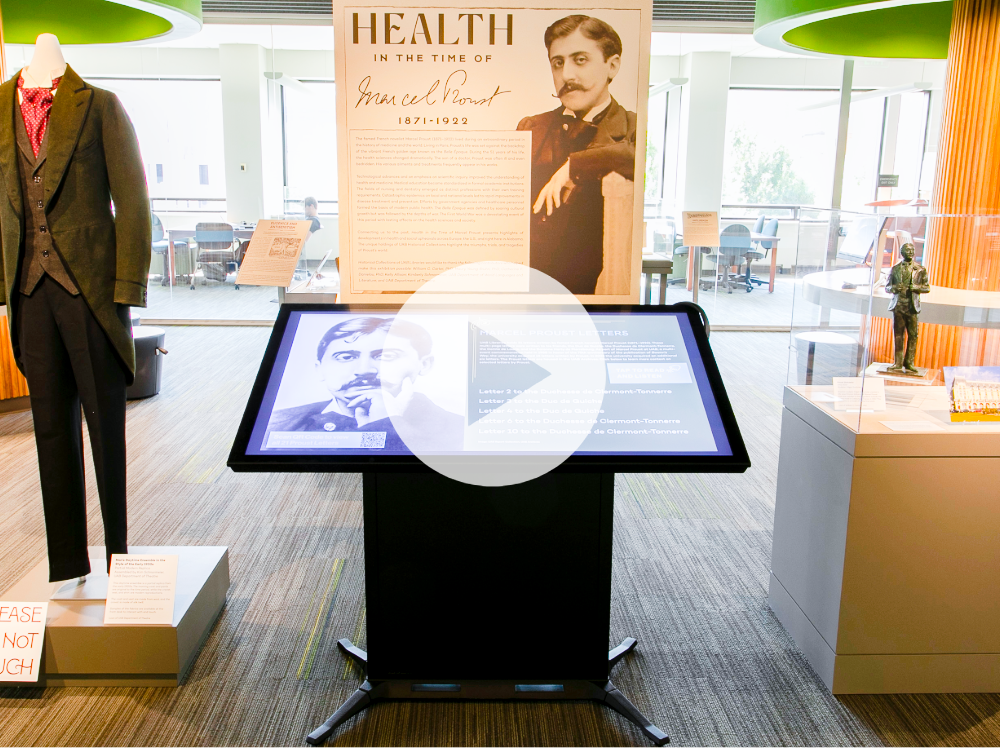
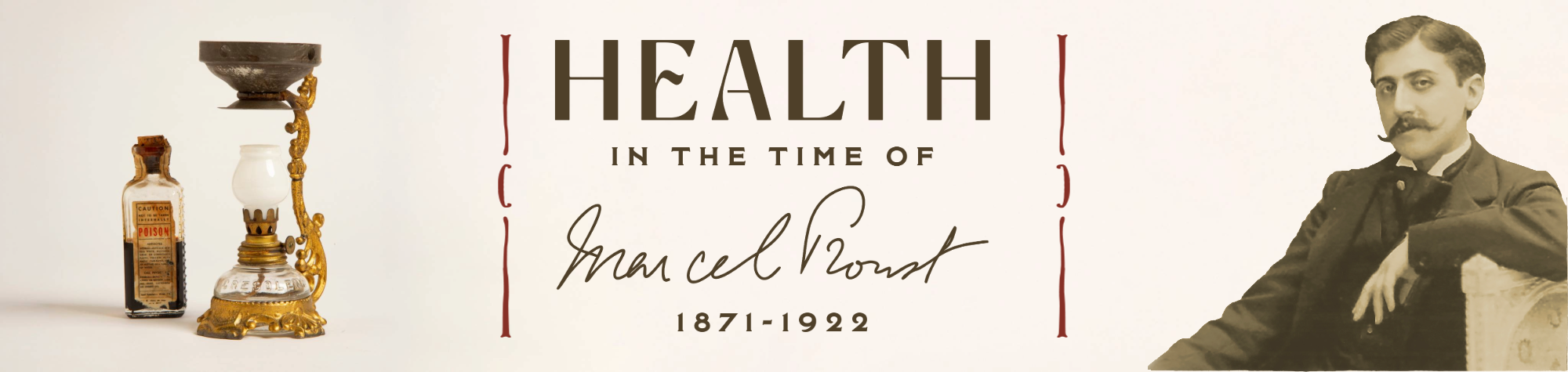
The famed French novelist Marcel Proust (1871–1922) lived during an extraordinary period in the history of medicine and the world. Living in Paris, Proust’s life was set against the backdrop of the vibrant French golden age known as the Belle Époque. During the 51 years of his life, the health sciences changed dramatically. The son of a doctor, Proust was often ill and even bedridden. His various ailments and treatments frequently appear in his works.
Technological advances and an emphasis on scientific inquiry improved the understanding of health and medicine. Medical education became standardized in formal academic institutions. The fields of nursing and dentistry emerged as distinct professions with their own training requirements. Catastrophic epidemics on local and national levels led to rapid improvements in disease treatment and prevention. Efforts by government agencies and health care personnel formed the basis of modern public health. The Belle Époque was defined by soaring cultural growth but was followed by the depths of war. The First World War was a devastating event of this period with lasting effects on the health sciences and society.
Connecting us to the past, Health in the Time of Marcel Proust presents highlights of developments in health and social upheavals across Europe, the U.S., and right here in Alabama. The unique holdings of UAB Historical Collections highlight the triumphs, trials, and tragedies of Proust’s world.
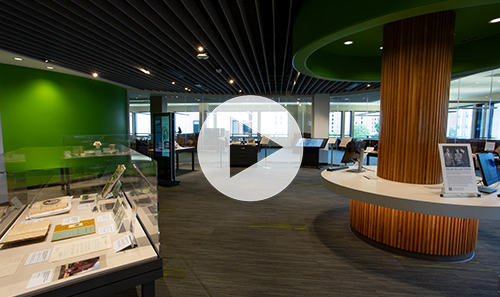
Take the virtual tour!
See "Health in the Time of Marcel Proust" in this virtual 360-degree tour created by the Historical Collections and Digital Services teams in UAB Libraries.
-
2024-25: "Navigating Communication: Breaking Invisible Barriers"
Navigating Communication: Breaking Invisible Barriers
The inaugural exhibition of the Dennis G. Pappas Historical Collections Gallery explores vision and hearing loss and the Deaf, Blind, and DeafBlind communities.
The story of Alabamian Helen Keller is well-known. Keller became deaf and blind early in life, but with the support of her teacher, Anne Sullivan, Keller learned to communicate through a combination of sign language and touch. She became the first DeafBlind person in the United States to earn a college degree.
However, the history of the Deaf, Blind, and DeafBlind communities neither begins nor ends with Helen Keller. Classical scholars, medieval writers, early modern physicians, and modern scientists discuss remedies and social treatment for these communities, and yet the experiences of the Deaf, Blind, and DeafBlind are often overlooked.
Even as our understanding of and treatments for auditory and visual impairments have improved, barriers remain for those with vision and hearing loss. This exhibition contributes to understanding the lived experiences of the Deaf, Blind, and DeafBlind communities and provides a glimpse into our knowledge about and treatment for vision and hearing loss.
Take a virtual tour!
Don't live in Birmingham or can't make it to the Pappas Gallery? See "Navigating Communication" in this virtual 360-degree tour created by the Historical Collections and Digital Services teams in UAB Libraries.