
 Ten agreements made between UAB Libraries and top journal publishers have saved authors more than $2 million in costs associated with publishing in open access journals since 2021 — an increase of nearly $1 million in a single year compared to October 2024.
The cost-saving mechanism in these agreements waives the article processing fee (APC) for UAB authors. Unlike traditional publishing systems, open access journals do not require a subscription to access paywalled resources, and to offset that loss of revenue, most collect a charge in order to publish. The average APC cost is just over $1,600, according to a 2024 article published in Sci Ed.
Read-and-publish agreements with publishers Wiley and Springer Nature have saved UAB authors more than $1.1 million since 2023 and $751,000 since January 2024, respectively. These two agreements alone enable lead or corresponding authors affiliated with the university to publish open access in qualifying fully open access or hybrid open access Wiley or Springer Nature journals at no cost to the author — nearly 4,000 journals in total. An additional smaller, yet significant read-and-publish agreement with Cambridge University Press has saved UAB authors more than $109,000 since 2021.
In 2025, UAB Libraries added four new read-and-publish agreements with Mary Ann Liebert Inc., The Company of Biologists, Cold Spring Harbor Laboratory Press and Emerald Publishing, the addition of which enables UAB authors to publish in more than 600 additional journals at no cost to them.
A continued commitment to research and scholarship
With a click of a button or swipe on a phone, UAB employees and students can access millions of online resources through UAB Libraries with just their BlazerID and password — but those same resources would come at a high cost to unaffiliated individual scholars, clinicians, patients, consumers, policymakers and others who could benefit from accessing them. When scholarship is published as open access — such as in well-known and highly cited journals like ones published by Wiley and Springer Nature — it removes that financial barrier and better facilitates the sharing of important information.
UAB Libraries’ ongoing commitment to open access publishing is a critical component in UAB’s mission to drive research and innovation across the enterprise, as outlined in UAB’s strategic plan, Forging Ahead, says Jeff Graveline, J.D., associate dean for Research and Scholarly Communication and director of the Office of Scholarly Communication in UAB Libraries.
“The high-caliber research being done across the UAB enterprise is always breaking new ground, answering complex questions and working to better our society,” Graveline said. “By ensuring that UAB authors have options for publishing their findings in open access publications that make it simpler for scholars of all kind to find and utilize information, we’re working to further collaboration and innovation not just on campus, in Birmingham and in the Southeast, but globally as well.”
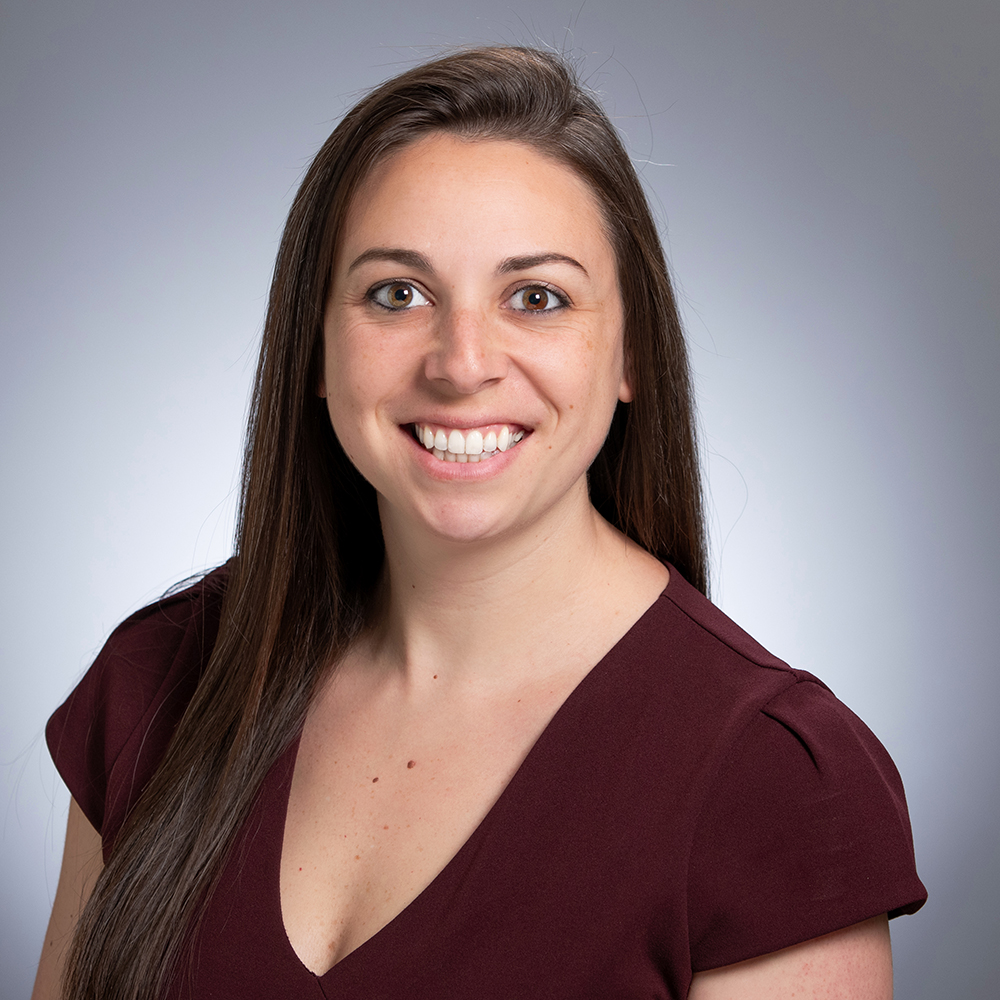
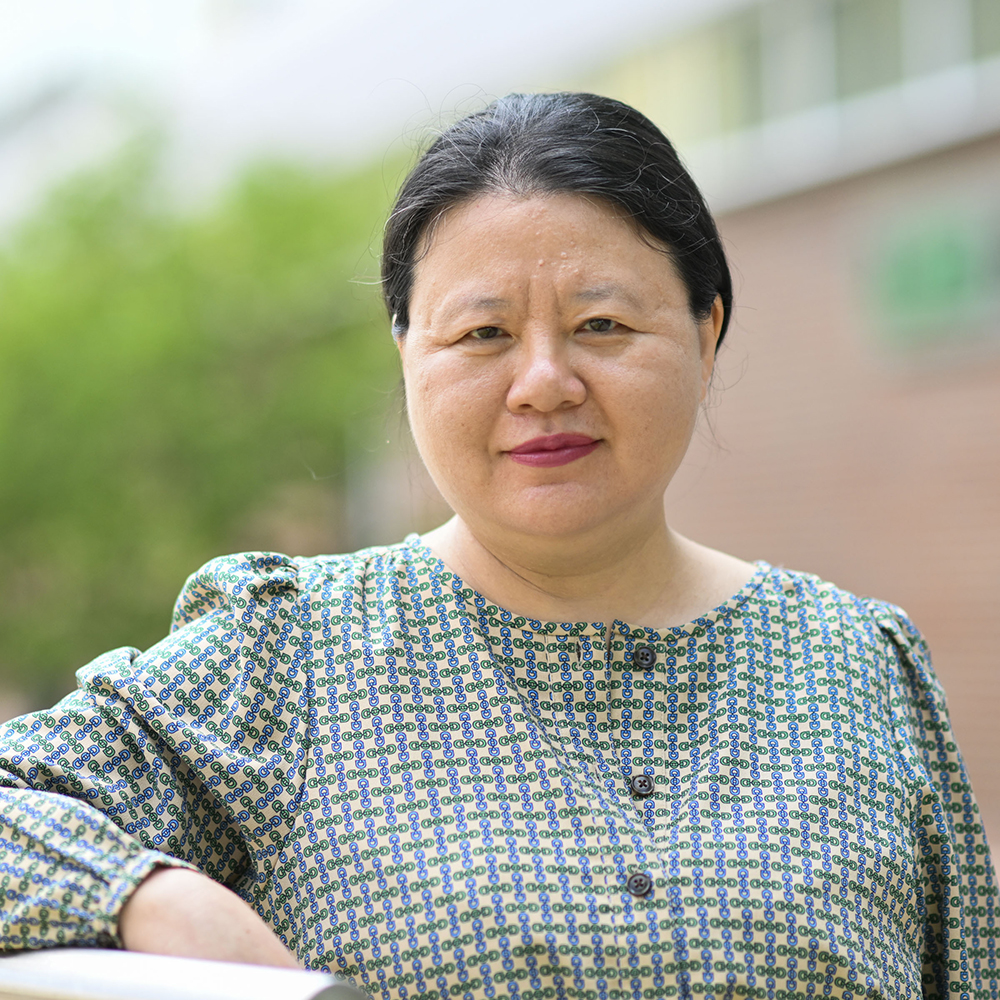
Authors from across disciplines have utilized these agreements to publish their work open access. Read testimonials from faculty researchers in the Collat School of Business, the Heersink School of Medicine and the School of Nursing who have had one or more APCs waived — and why they feel OA publishing is so important.
-
“We chose open access because we want our research to be freely available to anyone who is interested. This way, our work can reach a wider audience and create greater impact.”
— Parul Manocha, Ph.D., assistant professor in the Department of Management, Information Systems and Quantitative Methods in the Collat School of Business
-
“I choose to publish open access when I can because I believe publicly funded research should be accessible to everyone. Making science available to all not only broadens its impact but also helps strengthen trust in the scientific process by ensuring that discoveries are transparent and shareable beyond academic circles.”
— Abbi Hernandez, Ph.D., assistant professor in the Division of Gerontology, Geriatrics and Palliative Care in the Department of Medicine in the Heersink School of Medicine
-
“Our new open-access article shines light on an understudied issue: vision impairment after head & neck cancer treatment. Greater visibility means greater impact.”
— Hsiao-Lan Wang, Ph.D., professor in the Department of Family, Community and Health Systems in the School of Nursing

Open access publishing and compliance with federal directives
Publishing articles in open access journals also can assist in compliance with the 2022 federal directive that requires that, by 2026, all articles originating from federally funded research should be made public at time of publication.
The new policy eliminates the traditional 12-month embargo period, and some journals do not permit the public sharing of articles during the first year following publication — unless those articles are published open access, says Marla Hertz, Ph.D., data management librarian in the OSC. Hertz authored an article for the UAB Office of Research in September outlining best practices for compliance with the directive and encourages UAB authors to consult the ever-expanding list of qualifying journals available through UAB Libraries’ read-and-publish agreements.
“The Office of Scholarly Communication is committed to working with authors across campus to ensure compliance with new federal directives related to scholarly publications, and continuing to support open access publishing options is a part of that,” Hertz said.
Questions? UAB Libraries can help
Do you have questions about making your work more accessible through Open Access publishing? The Office of Scholarly Communication can help. And that’s not all they do — the OSC can answer questions from Blazers working to establish publishing agreements and understand copyright guidelines, plus provide guidance on incorporating affordable instructional materials into courses.
The OSC also provides research data management services, offering consultations with researchers to prepare data management plans or select repositories for data. The office also offers instruction on how to organize, document and properly safeguard research data to benefit both research teams and the wider research community long-term.