
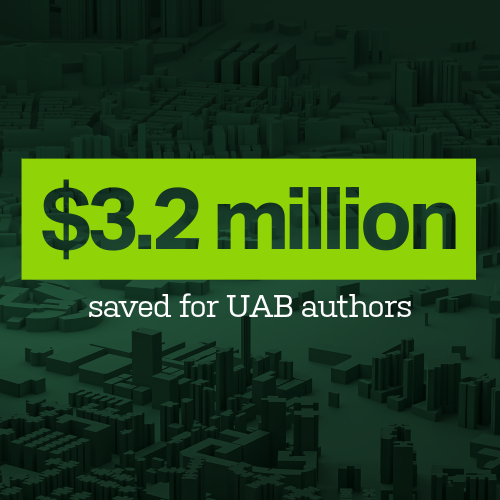
 Twelve agreements made between UAB Libraries and top journal publishers have saved authors more than $3.2 million in costs associated with publishing in open access journals since 2021 — an increase in more than $1.2 million in a single year compared to October 2025 and more than $700,000 since April 2026.
The cost-saving mechanism in these agreements waives the article processing charge (APC) for UAB authors. Unlike traditional publishing systems, open access journals do not require a subscription to access paywalled resources, and to offset that loss of revenue, most collect a charge in order to publish. In the United States, the average reported APC cost is more than $2,100, with a median cost of $2,000, according to data collected by the National Institutes of Health.
A read-and-publish agreement with publisher Springer Nature, signed in January 2023, has saved UAB authors more than $1.4 million, and an agreement with Wiley signed in January 2024 has saved more than $1.5 million. These two agreements alone enable lead or corresponding authors affiliated with the university to publish open access in qualifying fully open access or hybrid open access Wiley or Springer Nature journals at no cost to the author — nearly 4,000 journals in total.
Other publishers with whom UAB Libraries has signed read-and-publish agreements include ACM, Cambridge University Press, Cold Spring Harbor, Emerald Publishing, IOP Publishing, Mary Ann Liebert (now owned by Sage), Royal Society of Chemistry and The Company of Biologists. In January 2026, two additional agreements were made between UAB Libraries and publishers Taylor and Francis and the American Chemical Society.
A continued commitment to research and scholarship
With a click of a button or swipe on a phone, UAB employees and students can access millions of online resources through UAB Libraries with just their BlazerID and password — but those same resources would come at a high cost to unaffiliated individual scholars, clinicians, patients, consumers, policymakers and others who could benefit from accessing them. When scholarship is published as open access — such as in well-known and highly cited journals like ones published by Wiley and Springer Nature — it removes that financial barrier and better facilitates the sharing of important information.
UAB Libraries’ ongoing commitment to open access publishing reflects how UAB Libraries furthers the university’s mission to drive research and innovation across the enterprise, as outlined in UAB’s strategic plan, Forging Ahead, says Jeff Graveline, J.D., associate dean for Research and Scholarly Communication and director of the Office of Scholarly Communication in UAB Libraries.
“The reasons why a scholar may choose to publish open access are at the heart of UAB’s mission: to better understand and improve the human experience through sharing our experiences, research and innovation,” Graveline continued. “Through creating opportunities for UAB authors to publish open access, we are ensuring that the scholarship generated here on campus can achieve global reach and create change.”
Want to learn more about the importance of open access in academic publishing? Explore how OA publishing increases accessibility, visibility and research impact, the Creative Commons licensing framework, and how to evaluate author agreements during a webinar from the OSC 2 p.m. Oct. 20 on Zoom, led by Graveline and Marla Hertz, Ph.D., research data management librarian in UAB Libraries; the webinar is held during Open Access Week, which spans Oct. 19-25. Register in advance.
Authors from across disciplines have utilized these agreements to publish their work open access. Read testimonials from faculty researchers in the Collat School of Business, the Heersink School of Medicine and the School of Engineering and the School of Public Health who have had one or more APCs waived — and why they feel OA publishing is so important.
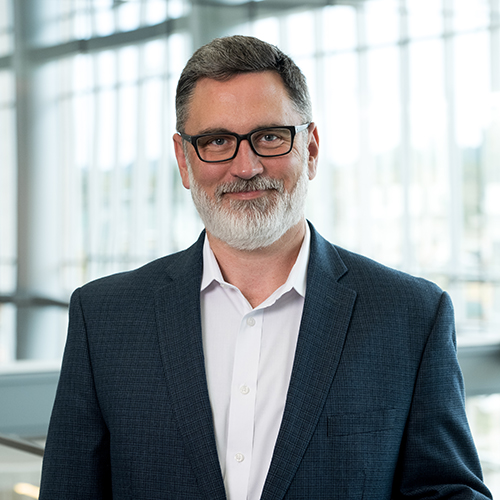
“Making my research open access is important because it reflects the core values of open science: accessibility, transparency and the broad dissemination of knowledge. As an I-O psychologist, I want my work to be available not only to researchers but also to the practitioners, leaders, and organizations who can apply evidence-based insights to improve workplaces and employee well-being. Open access helps bridge the gap between science and practice while maximizing the impact and reach of scholarly research.”
— Allen Gorman, Ph.D., associate professor in the Department of Management, Information Systems and Quantitative Methods in the Collat School of Business
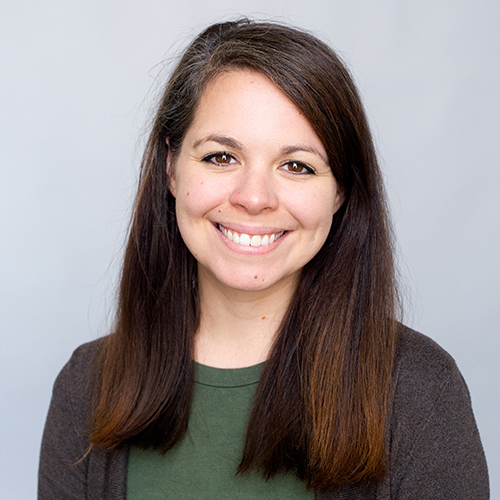
“Open access ensures that the knowledge we generate reaches the people and communities who can benefit from it the most. We all do research to promote the common good and make a difference in this world — open access ensures that our work is accessible to anyone who wants to learn from it.”
— Laurence Boitet, Ph.D., assistant professor in the Department of Medical Education in the Heersink School of Medicine
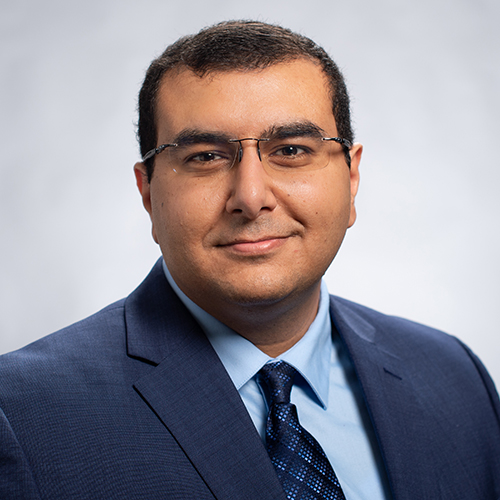
“UAB’s support for open access increases the visibility of interdisciplinary research and helps connect researchers globally. In our case, this support broadened the reach of our paper on bio-enhanced construction materials and facilitated cross-disciplinary discussion.”
— Muhammed Sherif, Ph.D., assistant professor in the Department of Civil, Construction and Environmental Engineering in the School of Engineering
Article publication forthcoming
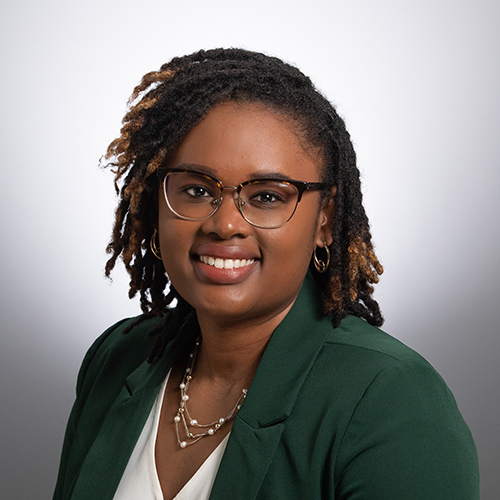
“I decided to make [my] article available open access because the broader public health and maternal and child health field deserve to learn from our findings without barriers.”
— Jessica Chambliss, Ph.D., assistant professor in the Department of Health Policy and Organization and assistant dean for Public Health Practice in the School of Public Health
Article publication forthcoming
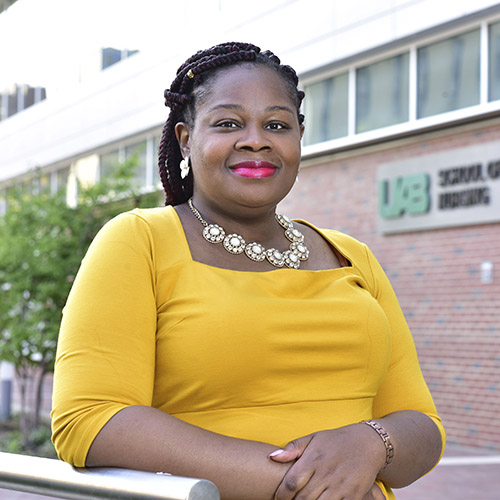
“UAB Libraries’ open-access publishing support has allowed me to disseminate findings from small but important pilot studies whose limited budgets would not otherwise cover publication costs. Publishing this work has created peer-reviewed evidence that I can cite when pursuing larger grants to expand and build upon those initial studies.”
— Deborah Ejem, Ph.D., associate professor in the Department of Acute, Chronic and Continuing Care in the School of Nursing
Introducing Pressbooks
Faculty and staff who want to create and share open education content will have increased opportunities to do so through UAB Libraries using Pressbooks, an online publishing platform for open access books and educational resources. Pressbooks supports the development of open textbooks, digital course materials, and collaborative publications that can be accessed by learners worldwide.
The OSC will host an introductory overview webinar about Pressbooks 11 a.m. Oct. 22 on Zoom; register in advance.
Questions? UAB Libraries can help
Do you have questions about making your work more accessible through Open Access publishing? The Office of Scholarly Communication can help. And that’s not all they do — the OSC can answer questions from Blazers working to establish publishing agreements and understand copyright guidelines, plus provide guidance on incorporating affordable instructional materials into courses.
The OSC also provides research data management services, offering consultations with researchers to prepare data management plans or select repositories for data. The office also offers instruction on how to organize, document and properly safeguard research data to benefit both research teams and the wider research community long-term.